S3 E5 — Between the Lines with FGI and The Splice Girls Podcast: How Collaboration Shapes the FGI Codes
Introduction
Health care facility planning and design depend on more than just technical expertise. Effective standards combine diverse perspectives, tackling complex challenges to support safe, functional, and resilient care environments.
At FGI, this collaborative process is driven by the Health Guidelines Revision Committee (HGRC), a balanced, consensus-based group of architects, engineers, clinicians, facility owners, regulators, and other industry experts. Working together each four-year revision cycle, the HGRC unites to consider, debate, and build consensus to develop the next edition of the FGI Codes/Guidelines.
In this episode of Between the Lines with FGI, cohosts John Williams and Marissa Lamperis-Kastrinos welcome Krista Biason and Julia Vogler, cohosts of The Splice Girls Podcast, for a conversation about the value of multidisciplinary collaboration in health care planning, design, and code development.



About Krista Biason, PE, FASHE
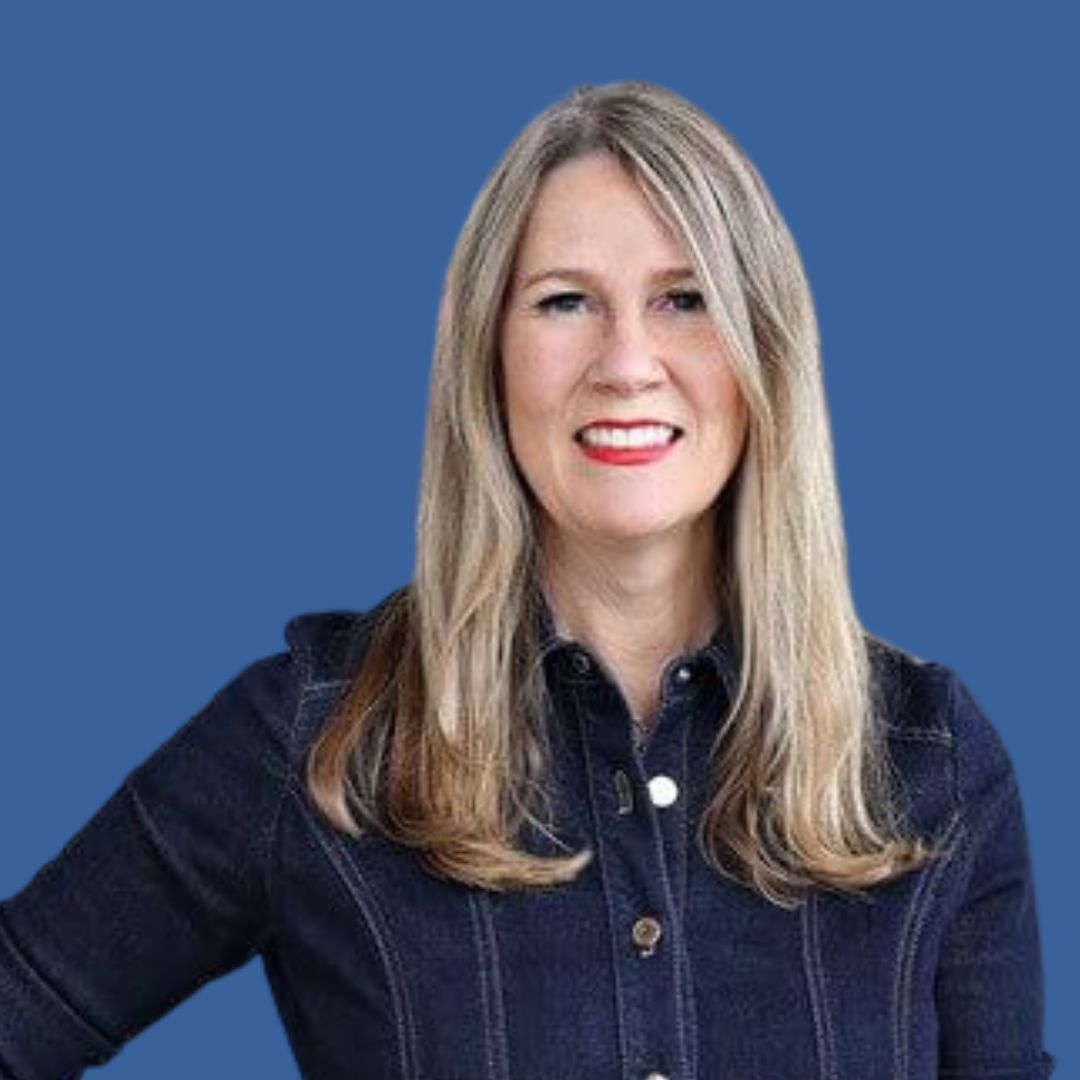
Krista Biason, PE, SASHE, is a licensed engineer and the National Electrical Engineering Practice Leader at HGA Architects and Engineers with over 30 years of experience specializing in health care electrical design, infrastructure upgrades, and facility assessments. She is recognized for her expertise in applying code knowledge to practical design challenges. She serves on NFPA 70 (NEC) Code-Making Panel 13 and is a special expert on the NFPA 99 Chapter 6 (Electrical Systems) Technical Committee. She contributes to NFPA task forces focused on microgrids and alternative energy. Krista is a member of the FGI’s Health Guidelines Revision Committee and its Emergency Conditions topic group. An active member of American Society for Health Care Engineering (ASHE), she supports its educational initiatives and frequently presents at national and regional conferences. Krista also cohosts The Splice Girls Podcast (thesplicegirlspodcast.com). She holds bachelor’s degrees in Electrical Engineering and Music (Clarinet Performance) from the University of Iowa.
About Julia Vogler
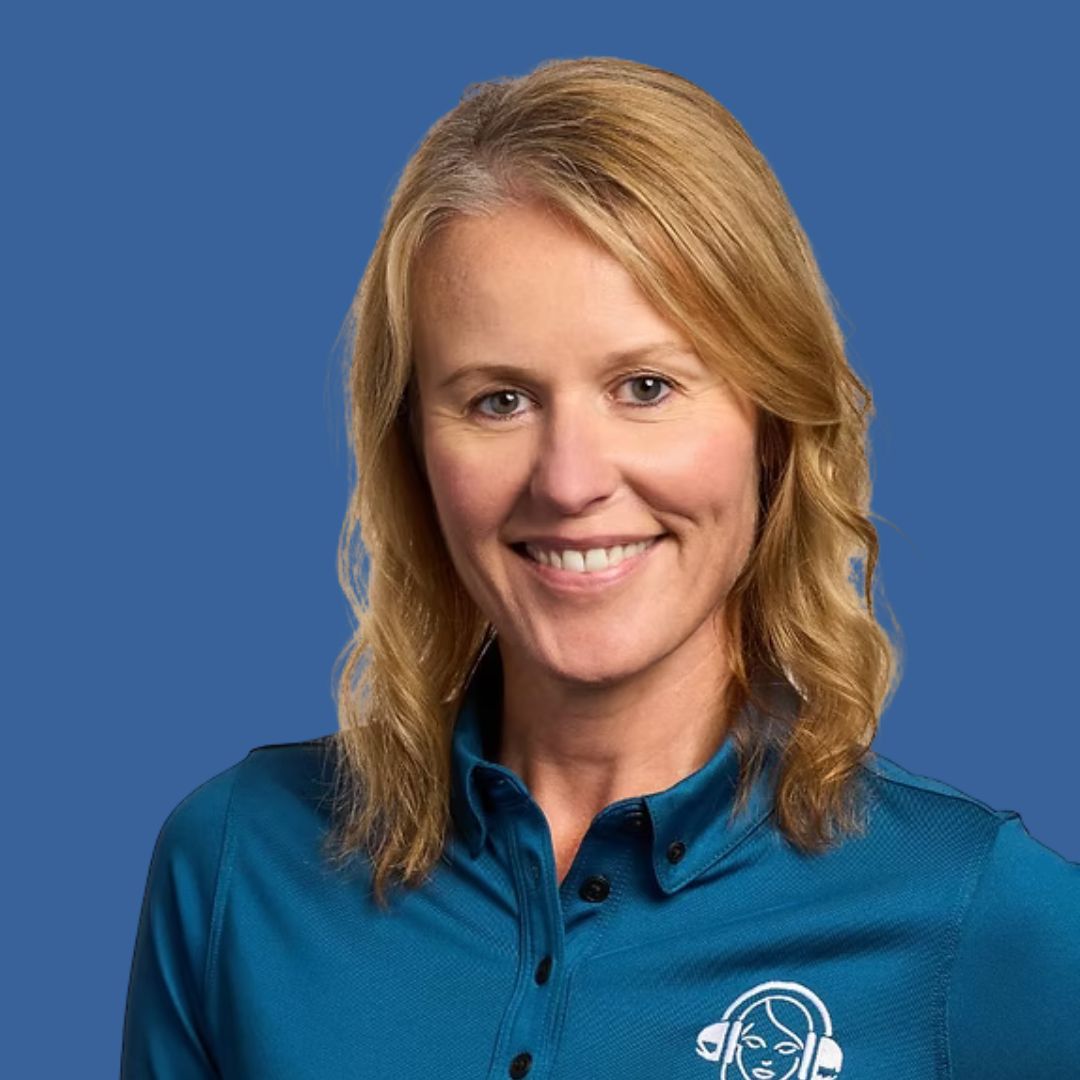
Julia Vogler is Vice President of Preconstruction at ArchKey Solutions and brings 25 years of experience in the electrical industry. A graduate of Ranken Technical College’s Electrical Systems Design program, she combines deep expertise in electrical design, project management, and preconstruction strategy. She leads Design Assist and Design-Build efforts across multiple markets, including health care, collaborating with owners, architects, engineers, and contractors to align project goals, budgets, and constructability early in the design process. Her work helps position projects for successful delivery while supporting long-term client objectives.
Sponsored by:
American Society for Health Care Engineering (ASHE) Optimizing health care facilities [ashe.org]
Earn CEUs Anytime with FGI University and Between the Lines with FGI
Gain even more insight with the extended version of this episode while earning continuing education units (CEUs)! Head over to FGIUniversity.org our educational platform for the FGI Codes/Guidelines, and explore CEU- and HSW-approved audio courses designed to make earning credits effortless—perfect for learning on the go.
To make it even better, use promo code BTL10 at checkout to get 10% off any Between the Lines with FGI course. Listen, learn, and save today.
AIA self-reporting LUs
Facility Guidelines Institute is a registered provider of AIA-approved continuing education under Provider Number 38744124. All registered AIA CES Providers must comply with the AIA Standards for Continuing Education Programs. Any questions or concerns about this provider or this learning program may be sent to AIA CES (cessupport@aia.org).
This learning program may be self-reported for LU credit through the AIA Continuing Education System. As such, it does not include content that may be deemed or construed to be an approval or endorsement by the AIA.
To receive AIA self-reported LUs, learners must complete and self-report two of these entire learning programs for 1 LU.
Don’t forget to share with your friends and colleagues!
Transcript
[Intro music: “Skip to My Lou” by Neal Caine Trio]
[00:00:01] Bridget McDougall: This episode of Between the Lines with FGI is brought to you by the American Society for Health Care Engineering: Optimizing health care facilities.
Intro
[00:00:14] Marissa Lamperis Kastrinos: Welcome to Between the Lines with FGI, a podcast brought to you by FGI. In this podcast series, we invite you to listen in on casual conversations related to health and residential care design and construction. Joining us today is FGI’s very own John Williams, vice president of content and outreach, and chair of the 2026 Health Guidelines Revision Committee.
[00:00:26] Marissa: John, so great having you here today.
[00:00:30]: John Williams: And also joining us today is Marissa Lamperis-Kastrinos, FGI’s director of education. And as always, we are curious about the health care environment and all things related to hospital, outpatient, and residential care design. Marissa, I’m so excited today because we, we do something that is kinda podcasty. It’s strange for us, but common in podcast land. We’re gonna do a crossover.
[00:01:00] John: We’re going to sit down with some good friends of ours from The Splice Girls Podcast, and have a conversation today. Great thing about The Splice Girls Podcast is one of the podcasters is Krista Biason, who is a member of our Health Guidelines Revision Committee. So today, we get to sit down with Krista and Julia Vogler and have a conversation about what they do over in the Splice Girls world.
[00:01:31] Marissa: Without further ado, let’s start the conversation.
[00:01:34] John: cool
[Music fades out.]
[00:01:35] John: Krista, Julia, thank you so much for being with us today and talking about multidisciplinary approaches to helping us put health care facilities together. Welcome to Between the Lines (with FGI)!
[00:01:48] Krista Biason: Thank you. We’re glad to be here.
[00:01:50] Julia Vogler: Yeah, thanks for having us here. It’s, fun to to a contractor and designer just the way health care merges the two and just pretty much it’s a marathon, it’s a journey, when it comes to when we first think about building a new health care facility to actual completion.
[00:02:08] Julia: So you build a lot of friendships out of that process too. So yeah, thanks for having us here.
[00:02:14] Marissa: So many of our listeners have heard of The Splice Girls Podcast, but for those who haven’t, Julia, I’d love to hear from you. Tell us a little bit about this podcast and what inspired the three of you to come together and bring it to life
[00:02:26] Julia: That’s a great question, Marissa, and it’s kind of a funny story. A little over a year ago, us three females, Krista, Julie, and myself, Julia, we were, having dinner with a colleague and throwing around “war stories”, I call them, back and forth and having a pretty good laugh. And of our colleagues had said, “You should start a podcast about this.”
[00:02:47] Julia: And I was like, “No, I didn’t think our conversations are that interesting”, but when you think about it, there not many women or females on this, on this side of design and construction for healthcare. Maybe our stories are interesting. So yeah, we’ve been doing this now for about four-14 months, and it’s been quite, quite fun.
[00:03:09] Krista: And our podcast does– it focuses on women and underrepresented people in health care design and construction, as Julia said. But we also have a lot of conversations with our allies and with other folks who actually not only support us, but what we’re finding is that there’s also some overlap on the things that we struggle with as women in this field that other people are like, “Well, it’s, it’s not just you,” but we’re not willing to admit it. So, we’ve had some great guests and some great conversations to just kinda get, get the word out there and to talk about things.
[00:03:46] Marissa: Well, it’s interesting how you thought, “Oh, do we need a podcast for it?” But the fact that you’ve had 12 episodes in a 14-month span and a lot of traction looking for different guests and topics to cover in that realm, that’s, that’s a great sign that you’re doing work and sharing insight that’s so valuable and, and so many people can relate to and, and need to hear from maybe someone they don’t know.
[00:04:07] Marissa: So I’m glad that you all have The Splice Girls (Podcast) out in the world, and I’ve been a big fan since I discovered it about a year ago. So we’re so happy that you’re joining us today. This is such a hybrid. Krista, this was your inspiration, right? To bring The Splice Girls (Podcast) and Between the Lines with FGI together because you saw great initiatives with both and you thought, “Ooh, what if we, what if we had a collaboration? What if we did it together?”
[00:04:30] Krista: Yeah, and really, it’s just to bring awareness from both sides that we, we do have challenges and opportunities within our field, and really what we need to do is talk about them. And figure out how we move forward together to get greater success for our field, and really to be able to connect people.
[00:04:50] John: And we should say that Krista knows this well and knows FGI well because she serves on our Health Guidelines Revision Committee. And like you said, a lot of times that’s, that’s what we do inside of that committee is bring whole bunch of different disciplines together and, there are so many, issues that are ubiquitous but we don’t always know that until we sit in the same room and and talk. So it’s, it’s fun to do that and we get a much more robust and effective product out of it
[00:05:20] Krista: Well, and I think one of the things, too, when people usually think of the FGI Guidelines, they think: What size does a room need to be? What can a suite be? They, they think more on the architectural side So, I’ve inserted myself as an electrical engineer to give that perspective too. There’s a lot of things that when we’re looking at some of the requirements or we’re looking at some of the design, that’s where I depend on my friends like Julia to say, “Hey, you know, I’d really like to do this, but is it constructible? Or is there a better way to do that? Or what are you seeing for industry trends that may actually have an impact on designing the built environment?”
[00:06:01] Krista: Because know, as I’ve said before, I can draw whatever I want on paper, and I can think it’s the most fabulous thing in the world, but then when I hand it over to Julia and her team she’ll be like, “Oh, girl, what’d you do to me this time? You know, this, really…”
[00:06:17] Julia: Well, and that’s, that’s important to note because since COVID, 2020, 2021, we have been facing a significant labor shortage and also a supply chain disruption. guidelines and specs and code panels can live in their la-la land. I’m going to say it, and I’m probably going to get some haters out there, but in reality is we have to design for the supply chain.
[00:07:02] Julia: And if these hospitals, health care facilities, and any facility for that matter, want to be on schedule, we have to keep in mind what we can do with prefabrication and modular. So how could these guidelines and codes that are set really lend themselves to be that kind of construction so these things can still get installed in the timeframe the owner wants, but with labor and supply chain issues?
[00:07:02] John: Yeah, and from the AHJ side of things, I can write a code, um, that requires you to do something, and you can come back and tell me that’s- can’t build it that way, or we can’t procure that in a reasonable timeline.
[00:07:18] Krista: You know, Julia, I think you hit one of the key things that I don’t know if codes and standards have really caught up with or embraced yet, is prefabrication and modular. That’s really how we’re starting to see things done, not just from an installation aspect, but also making sure that we have similarities between room types because of staffing shortages on the health care delivery side, right? If you have every single room exactly the same for this type of area, that then also reduces errors within the health care delivery. So, I think the prefab and modular is something that we really need to take a step back and look at codes on, well, where do we weave this in or how can we weave this in?
[00:08:06] Julia: Yeah, and my favorite topic is just even back to some of the basics of just stacking of mechanical, electrical, telecom rooms in the facility, ’cause that… when we don’t stack things, that adds so much material and so many hours to projects. So it’s really hard to have those conversations with the designers and the planners, because they just don’t see the impact that it has to the trades.
[00:08:30] John: Yeah, these are exactly the voices that we need in the room when we’re writing codes and standards, um, because w- we don’t always see that.
[00:08:37] Krista: We had a discussion on one of the task force meetings one time that, well, you know, you have to have those panels where the staff can turn breakers back on after they trip. No. No, you don’t. That’s not their job.
[00:08:52] John: Yeah.
[00:08:53] Krista: You know, you need that licensed electrician. You need to have someone who knows how to do that. Just because the panel is close by doesn’t mean that it gives, you know, full reign for somebody else to use it. And those are the things that, in theory, should be logical, but are not necessarily logical as they should be.
[00:09:13] John: One of the things, Krista, that we talk about in the committee is delivery, but we try to create this basic framework around what’s important inside of the building, and then give design teams some wiggle room. But I don’t know that we’ve had the contractor voice, in the room as well, because there may be other things that we’re requiring on the constructability side that creates problems. Off the top of your head, is there anything that you can think of, where code drives you to do something that’s not constructible or, like, if a fire damper has to be within five feet of a wall or something, it puts it in a location where you can’t maintain it?
[00:09:58] John: Is there anything like that jumps to mind?[00:10:00]
[00:10:00] Julia: No, I mean, we live and die by, you know, the codes and the guidelines, and we have to compile all those things together when we’re doing the constructability analysis, and so if the code says thou shalt be a certain working clearance, that’s what we build to. And as an electrical contractor and as electricians, we love the working clearances because we don’t want foreign systems routing above our equipment because we need that space. And it seems like every job, not just healthcare, design gets squeezed because we are the most flexible. The electrical system, to build a thing, there’s more than one mousetrap whereas if you’re in plumbing or mechanical, you gotta have certain size duct, you gotta have certain flow of liquid. Whereas electrical, we can just route around it or change your size, add boxes. Um, so we, we really try to put our foot down because, okay, if you really want us to be this flexible discipline, there’s a cost associated with that, and there’s time associated with that.
[00:11:05] Julia: So, those are the conversations we have on every project. Yeah, it’s easier when we have codes and standards and guidelines telling us this is how we have to install our work.
[00:11:17] John: Julia, is there anything you would change about codes in general? Do you like prescriptive stuff that tells you exactly a dimension, or do you like more performance-based stuff where it says, “Be safe”?
[00:11:32] Julia: We like them more prescriptive because we are going so fast in these projects. There’s no, there’s no schedule. Owner wants to open faster than we can deliver, and the more clear-cut it is, the less there is from ambiguity
[00:11:47] Krista: Well, and, and you know too as being a recovering AHJ that when there’s room for interpretation, there is interpretation; that’s where you get into a lot of sticky wickets.
[00:12:00] John: Right. By the time it gets to you, you need to know the answer, because you’re building that thing today.
[00:12:07] Julia: If you want speed to market and you want a predictable budget, you have to bring in trade partners early
[00:12:13] John: So, how does that happen? How do you encourage, uh, owners, um, to, to bring those voices into the room early on?
[00:12:21] Julia: It’s really up to the owner and how they want their project to be delivered. If it’s the traditional design-bid-build, where that means trade partners are hard bidding a set of construction documents and everything is just RFI’d, is it where the owner might be savvy enough to realize, “Hey, design assist, I wanna bring in my trade partners to help influence the design conceptual level so we can be working hand in hand with the HGAs of the world to provide that customer with what they’re looking for, but we do it together.” Um, it’s not us versus them, me throwing Krista a hundred RFIs a day. Nobody wins with that method.
[00:13:02] Krista: Well, and depending on the amount of time, you and I have worked on projects where we’ve ordered all of the electrical distribution equipment at the schematic design level before anybody has finished anything, before we get the final cut sheets. But we’ve worked as a team to figure out what that design can be to have that flexibility to be nimble, so what actually shows up on site has the ability to accommodate what the final design needs are.
[00:13:29] Krista: And Julia can tell you how many times I’ve called her to say, “Okay, can you help me with this? I know that this isn’t right. This is wonky. Can you give me your perspective on what it is that I’m trying to do, or give me some suggestions on what we can do for the design to make this successful?” It just– I’m, I’m, upon my, my partners in the field to make sure that we have the right solution, just not my solution.
[00:13:55] Julia: As leaders, we have to be encouraged to reach out and get to the voices of people that maybe do something different than you, whether that’s the engineer, whether that’s the architect or the electrician, the pipe fitter.
[00:14:06] Julia: It just helps provide a better outcome as, as a leader too, you can’t be too proud to not go out and get somebody’s opinion or follow the advice from the field. Um, yeah, they might not have a four-year engineering degree, but you know what? They sure do know how to install this safely.
[00:14:22] Krista: Mm-hmm.
[00:14:24] Julia: So it’s really getting everybody’s opinion when we put codes and standards and issues at hand.
[00:14:31] John: Is there something systemic that you see out there that makes it more difficult for folks to speak up?
[00:14:40] Julia: Um, I can’t… I think it just all comes down to the person, right? And being able to understand what’s the right way to approach something if you need to speak up. Like, should I bring up this issue on the job site or in the professional office in a group of people, or should I ask this person one-on-one? I think that’s just growing in your professional career as to knowing when and where is the best time to speak up. And I, I think it’s up to us leaders to coach people on those skills.
[00:15:14] Krista: I agree, too. And, you know, not gonna lie, there are some toxic project teams. So, trying to navigate how to have those conversations is sometimes more of a challenge. I mean, I’ve been on some teams that I’ve been told, “Do not tell them you’re the engineer of record, and you get to make a decision.”
[00:15:38] Krista: But we still have to make it compliant with codes. We have to make it safe, and we have to make it constructible. So those are things, regardless of whatever the team dynamic is, people have to feel empowered to be able to talk about those things in a method that can convey the, the importance of that outcome.
[00:16:04] Julia: It really comes down to whether it’s your company core values or your personal core values, but one of my favorite ones is guided by integrity. Doing the right thing when, when nobody’s looking, no matter how hard it is. Own the outcome, own your mistakes, learn from your mistakes, and you will get through it.
[00:16:21] Krista: Mm-hmm.
[00:16:22] John: One of the things we talk a lot about in the Health Guidelines Revision Committee is, we have a room full of experts there. And it’s kind of approaching conversations with humility.
[00:16:35] Krista: Mm-hmm.
[00:16:36] John: Also, with that confidence that comes with preparation, and if you have both of those things at the same time and you’re able, you’re able to talk about the issue rather than, you know, the personalities getting in the way, it’s really effective when you can do that, but it’s really hard to learn.
[00:16:53] Krista: Well, and I think to your point too, John, is, you know, here’s a direct parallel with what we do in the field versus what the guidelines committee does for making these codes, is that you have to have substantiation. You can’t just walk in and say, “This is a great idea ’cause I said so.”
[00:17:13] Krista: There has to be something behind it to validate that this is the right decision, and not from an excuse perspective or not because I want a perspective, but let me tell you I feel that this needs to change, or we need to rethink this, or maybe this is a better way of doing things.
[00:17:34] John: Before you go, why is it especially important in the health care planning, design, and construction industry to bring those diverse voices into the room as early as possible?
[00:17:46] Julia: It’s important because everybody wants to win. Everybody wants to have a great project. Everybody wants to slap hands at the end of the job and say, “We did it together.” It’s about building a team, it’s about customer satisfaction, and it’s about your own personal growth to look at a building or a facility and say, “Yep, I was a part of that, and I had these great experiences.”
[00:18:10] Julia: This industry is, just amazing, and these health care projects, they could be three to four, five years even, where you’re working with the same people every day through the good and the spirited conversations. It’s important that, people like to hide behind emails and text messages and RFIs, like, pick up the phone and talk to each other, see each other, be in that job site or that design office together. That’s where the true magic happens.
[00:18:38] Krista: That was brilliant.
[00:18:39] John: Excellent. That’s a great answer.
[00:18:49] Krista: Yeah, way to mic drop, girl!
[00:018:50] Marissa: Julia, Krista, it was really wonderful having you here for this very real important dialogue.
[00:18:10] Julia: Well, thank you for having us here. It’s always great to get our voices out and to meet new people and different organizations within the industry to really bring us together. This industry is so rewarding. It’s such a small world how we can connect the dots with each other and it was nice to chat with you, too. And Krista, always great to see you.
[00:19:16] Krista: Yes. Always great to see you too. thank you for having us. This has been really great to be able to kind of share our platforms and talk about some things that are common within both of our visions and goals, and what we’re trying to achieve to make our industry a better place.
[00:019:29] Marissa: Now, for those that wanna get involved with the Splice Girls, support in big, small ways, what would you recommend to them?
[00:19:39] Krista: Well, of course, check out our website, you can find us on Apple and Spotify and wherever you download your podcasts. Just be part of the conversation.
Outro
[00:19:47] John: Well, gosh, that was fun. We should do that again.
[00:019:50] Marissa: Absolutely. Well, thank you for joining us for another episode of Between the Lines with FGI. Now, do you have an idea for an episode? Are you interested in sponsoring one or a series of episodes? If so, we’d love to hear from you. Feel free to send us an email at podcast@fgiguideslines.org. John, what do we have going on for the next episode?
[00:20:11] John: Well, we’ve got some fun stuff coming up. We sat down and talked with the chairs of the hospital document a couple of weeks ago and got their take on what happened during the last, uh, revision cycle, so that’ll be fun to talk about. And we’re doing some cool things with FGI University as well. Uh, we’ve got some internal crossover going on there.
[00:20:32] John: We have extended sessions of our podcast, and we’ve got some, uh, webinars, uh, related to this content as well. And I think we, we just did one on hospital changes, didn’t we?
[00:020:44] Marissa: Yes, it was incredibly popular. We’ve gotten great feedback. So if that’s something you’re interested in learning more about, highly recommend check out the podcast episode when it’s available. But in the meantime, listen to the webinar on the 2026 hospital updates.
[00:20:58] John: You know, and so much of what we’ve done on the podcast is flowing right into FGI University. So, if you enjoy what you hear on the podcast, I would really encourage you to go there, take a look. you’ll probably find something interesting because I know we, we have a lot of interesting folks and interesting conversations over there as
[00:21:14] Marissa: We certainly do. Yeah, we’re doing live webinars on a monthly basis. We have tons of on-demand content that’s easy to listen to on the go. And if you wanna sweeten it up a little bit, use the promo code BTL10 to get 10% off your next purchase at FGI University.
[00:21:29] Marissa: So, as we wrap it up, we wanna give many thanks to Neal Caine and the Neal Caine Trio for the use of his song “Skip to My Lou” from the album of the same name. But I think that does it for us. John, great to see you. Goodbye, everyone.
[00:21:41] John: All right. Join us next time as we go Between the Lines. Goodbye, everybody

Special thanks to Neal Caine and the Neal Caine Trio for the use of his song “Skip To My Lou” by the album of the same name
Find the album on Spotify or Apple Music.
Visit Neal Caine’s website here.